
Crises in foreign affairs are inevitable. They often happen without warning and they affect both the country and the reputation of the president. The become immediately crucial and how the president acted had very important consequences, both short and long term. Personnel in the government are tasked with gathering intelligence on possible coming crises and dealing with crises once they arise. But it is the duty of the president to evaluate a crisis and then to act in the best interest of the country.
All of us can remember the listed crises. They stayed on the front pages and TV news shows for extended periods. They created strong feelings in all of us. They are etched in our memories. Now that time has passed, we can look back on them more dispassionately, place them in context and evaluate the risks they presented and the results.
In reading about these crises, one is struck by the different ways in which presidents perceived the interest of the United States and the different ways in which they reacted when suddenly faced with a crisis. We can try to put ourselves in the position of the president facing a crisis.
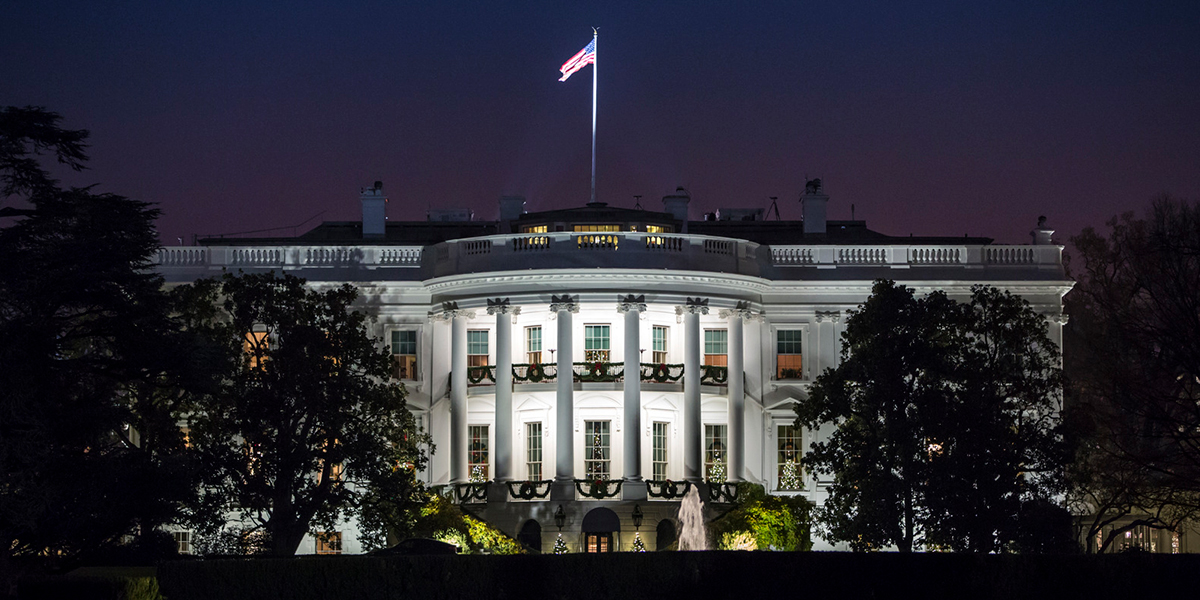
The purposes of this SDG are to re-visit some of the most important crises of the post-World War II period, to evaluate the performance of the president and the governmental apparatus with respect to each of them; to look at the results of the ways in which they were handled; and to see if they teach us anything about future crises should be handled. The schedule also includes a session on the reasons for and use of the White House Situation Room.
Some of the questions we will address are the following:
What role do a president’s background, education and experience play in dealing with a crisis?
What role does a president’s personality and general outlook play?
How should a president use the advice of his principal advisors?
Should the president seek advice from outside his principal advisors?
Has the government been properly staffed to advise the president in a crisis?
What role does (should) domestic politics play in dealing with a crisis?
Are there instances where a considered reaction is at odds with the public perception of the need for presidential action? If so, which should prevail?
Is there, or should there be, a recognized way to deal with a foreign crisis, taking into account the crisis itself, the reputation of the United States in the world and domestic politics?
In each of the listed crises, did the president handle it successfully? What other viable choices were available? Why were they rejected?